Homes that make the heart beat faster. Discover more
Back

From Kitchen to Garden: Practical Tips to Reduce Plastic at Home

Kellie Cade
Kellie Cade
Jun 27, 2025

Plastic pollution is one of the most pervasive and pressing environmental challenges of our time.

This synthetic material, found in the depths of the Mariana Trench to the summit of Mount Everest, is everywhere. Its durability and versatility (once celebrated for industrial and consumer use) is now a significant environmental liability. Plastics can persist in landfills for hundreds to thousands of years, resisting natural degradation. More concerning still, as plastic breaks down, it fragments into microplastics, contaminating our oceans, air, soil and food chains.

The scale and impact of plastic pollution demand immediate and coordinated action. In recognition of this, World Environment Day 2025 is calling for collective global efforts to confront this crisis. The campaign urges individuals to adopt more sustainable habits while pushing for systemic change at every level of society. To coincide with World Environment Day, here at Strata we’ve decided to take a look at some practical steps you can take in your daily life at home to reduce plastic use and contribute to a cleaner, more sustainable future.

Swap bottles for bars

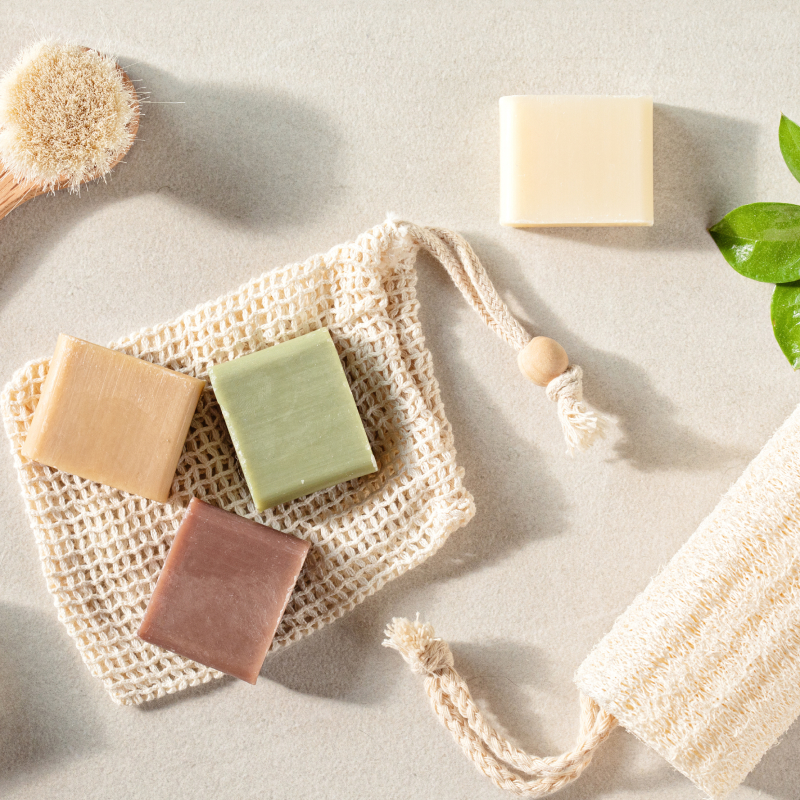
From hand soap and shampoo to shower gel, many of our everyday hygiene and beauty products come wrapped in plastic. But making a simple switch to solid soap bars can make a real difference. Not only do they help cut down on plastic waste, but they also tend to last longer, saving you money in the long run. And it’s not just soap, you can now find shampoo and conditioner bars too!

Soap Bars

Rethink your razor

Disposable razors may be convenient, but they have a hidden cost: millions end up in landfill every year. A smart alternative is a traditional safety razor, where only the blades need replacing. While the upfront cost is a bit higher, it pays off over time and keeps unnecessary plastic out of the waste stream.

Ditch the cling film

Cling film is another sneaky culprit. It’s made from mixed plastics that are tricky to recycle, which means it usually ends up in the bin. Instead, try switching to options like foil, which can be rinsed and recycled, or eco-friendly beeswax wraps. Elasticated fabric bowl covers also make a great reusable alternative for food items which need to be stored in the fridge.

Reduce the cling film

Reusables at your doorstep

Bringing back the milkman might seem old-fashioned, but it’s a great way to cut down on single-use plastic. Glass milk bottles are reusable, recyclable, and often part of a return system. Plus, many delivery services offer more than just milk... think juices, eggs, and even bread, all with minimal or no plastic packaging delivered right to your doorstep.

Bags for life

The bag that keeps on giving

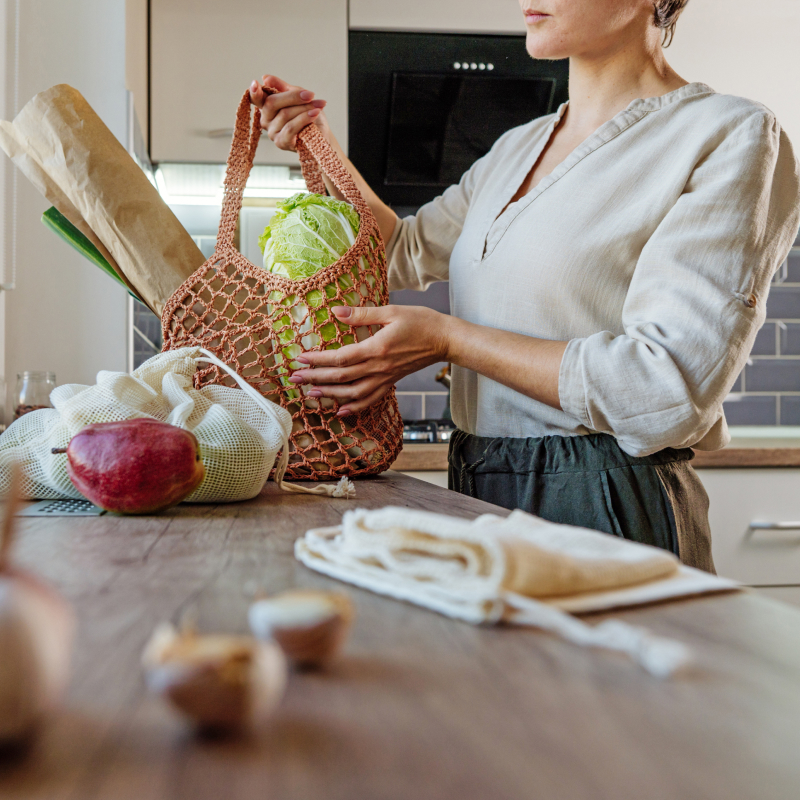
Reusable bags are essential. Keep one tucked in your handbag or stash a few in your car, so you’re always prepared. While they may have a larger environmental footprint to produce, their impact shrinks the more you use them, so make it a habit to reuse often and steer clear of single use plastic bags.

Refill, not landfill

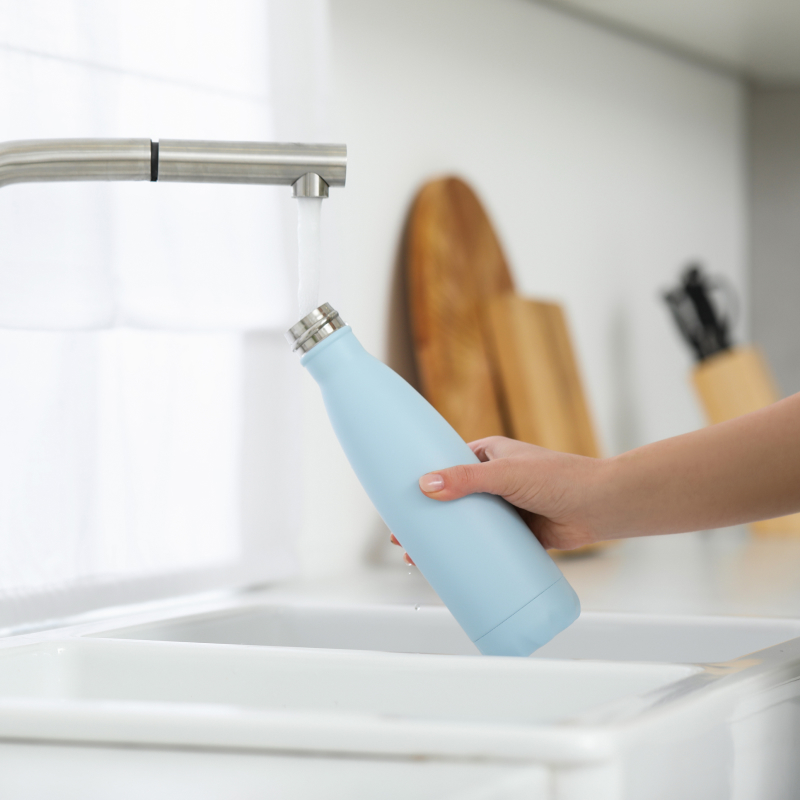
A reusable water bottle is another simple swap that adds up. Many disposable bottles are made from virgin plastic and tossed after just one use. They’re a major pollutant, especially in our oceans and on our beaches. Keeping a refillable bottle on hand helps cut back on that waste.

refillable bottle

Greener gardening

Even your garden can be part of the solution. Reuse plastic plant pots for as long as possible, and when they reach the end of their life, check if your local garden centre offers a recycling drop-off. To avoid collecting more plastic, consider buying bare-rooted perennial plants instead. They come without pots and are often healthier for your garden. Composting is another great way to reduce plastic use in the garden. If you’re not quite ready to start your own compost pile, store-bought compost is still useful. Just remember to reuse or recycle the bag where possible. Some councils will accept them for recycling after a quick rinse.

Keep it in use

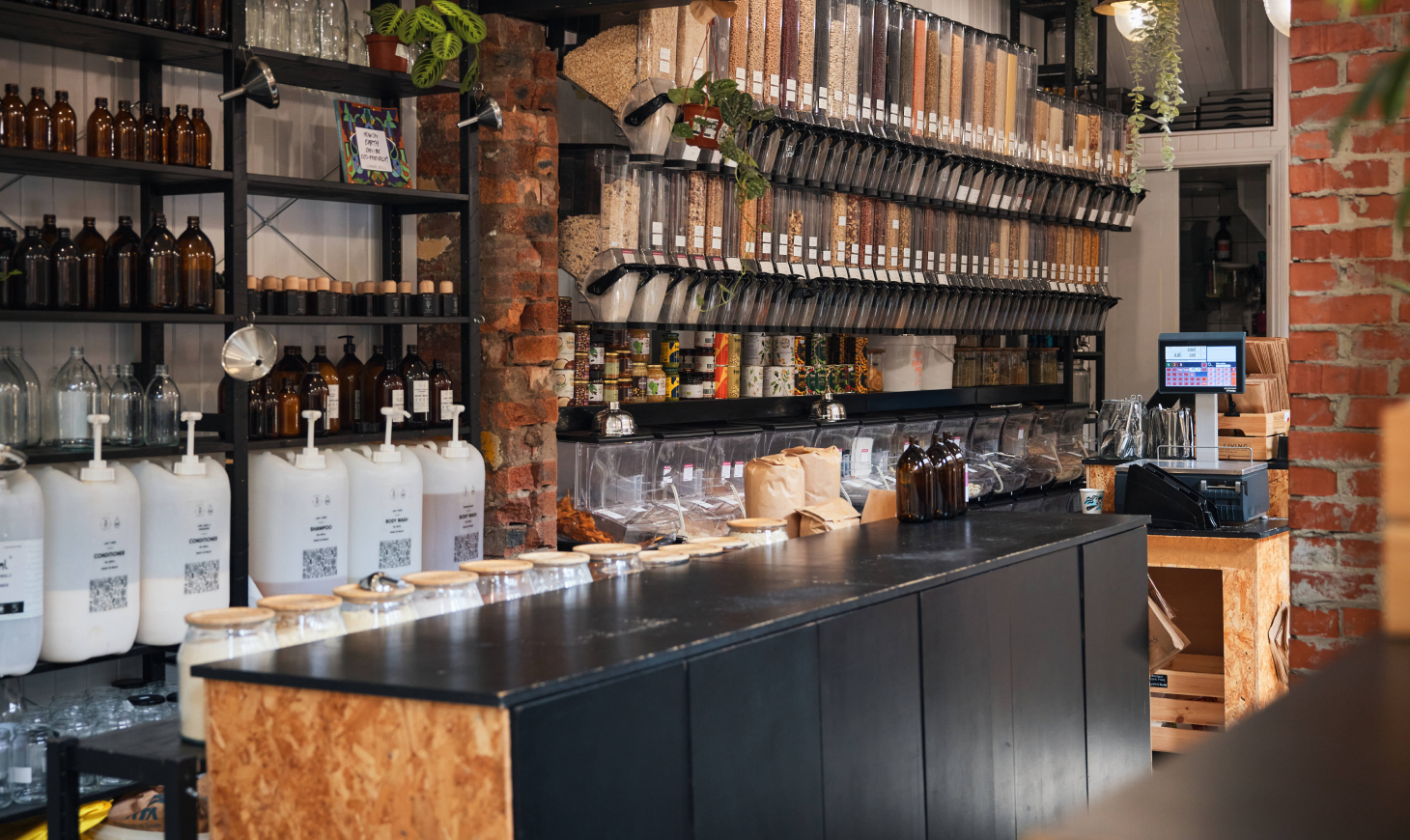
Trying to cut out plastic entirely can feel overwhelming, but it doesn’t have to be all or nothing. One step you can take is to keep the plastic you do use in circulation for longer. Empty bottles and containers can be cleaned and reused for dry goods, cleaning supplies, or toiletries. Refill shops are popping up in more places, letting you bring your own packaging and stock up on the essentials you need without the waste.

full bleed image

The power of collective action

Facing such a massive environmental challenge can feel overwhelming and like the efforts of one person won’t make a difference. But that’s far from the truth. When more of us take small, consistent steps and work together, those individual actions add up. That’s when real, lasting change starts to happen.