Homes that make the heart beat faster. Discover more
Back

Energy Efficiency in New Build Homes: How to Save Even More on Bills and Live Sustainably

Kellie Cade
Kellie Cade
Dec 11, 2025

One of the major benefits of buying a new build home is energy efficiency.

Modern construction standards, improved insulation, and energy-saving technologies mean new homes are built to use significantly less energy than older properties. In fact, according to the Home Builders Federation, the average annual cost for heating, hot water, and lighting in a new build is just over £800, which is significantly less than half the £1,789 typically spent in an older home. That’s a big difference, especially when thinking long term. But even with these built-in efficiencies, there are still plenty of simple habits and small upgrades that can help you cut your utility bills even further, and run a more sustainable household. Let’s take a look at a few practical tips.
1. Let Radiators Breathe

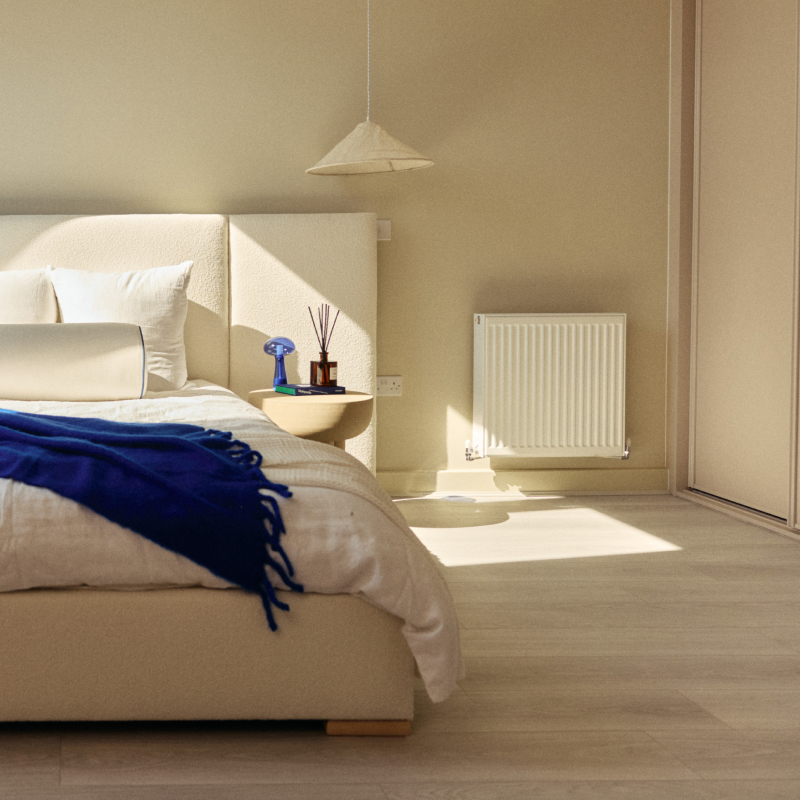
It’s tempting to turn up the thermostat when a room feels chilly, but before you do, check the layout of your room. Furniture placed directly in front of radiators can block heat from circulating properly. Just pulling the sofa or bed a few inches away from the radiator can make a noticeable difference.

Bedroom

2. Bleed Your Radiators Regularly

Trapped air in radiators can prevent them from heating up efficiently, leaving cold spots at the top. Bleeding them a couple of times a year keeps them working effectively, helping rooms warm up faster and reducing wasted energy.

3. Use Thermostatic Radiator Valves Wisely

Most new builds come equipped with thermostatic radiator valves (TRVs), giving you the option to control the temperature of individual rooms. Turn off the radiators in rooms you’re not using, and keep doors closed in occupied spaces to retain heat and reduce energy use.

Washing Machine

4. Be Smart with Dishwashers and Washing Machines

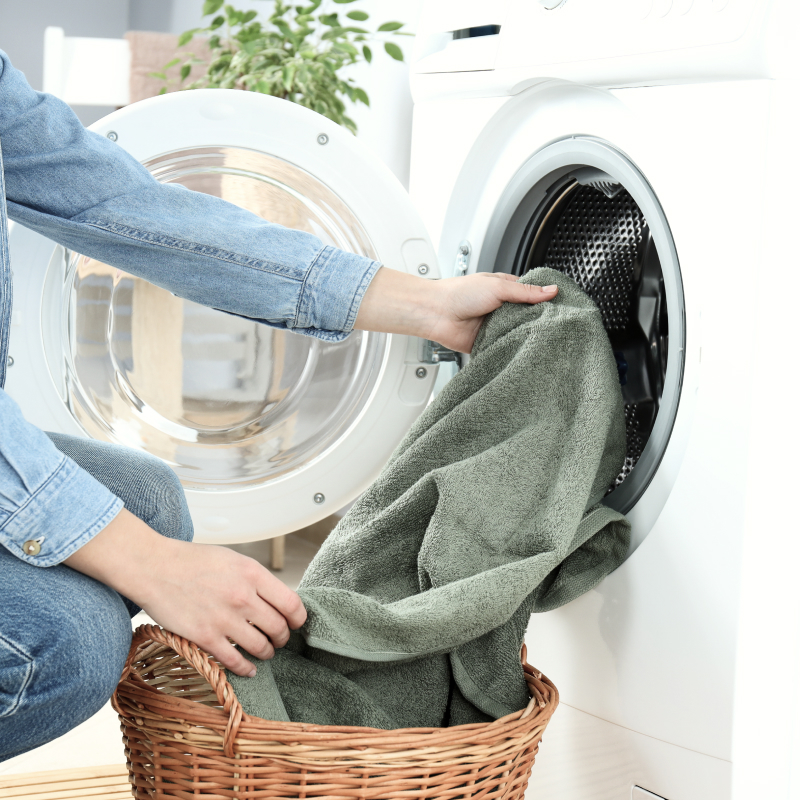
Only run your dishwasher when it’s full, and choose shorter or eco cycles whenever possible. The same goes for your washing machine. Washing at 30°C or using cold cycles can save energy and still deliver great results for everyday laundry. Reserve hotter washes for when it’s really needed, such as sanitising towels or bedding, or when running a maintenance cycle with a washing machine cleaner.

5. Don't Overload (or Underload) the Machines

Both overloading and underloading your washing machine or tumble dryer can lead to inefficiency. Overloading means your clothes may not clean or dry properly, while underloading wastes energy. Aim for a full, but not packed, load for best results.

6. Dry Smarter

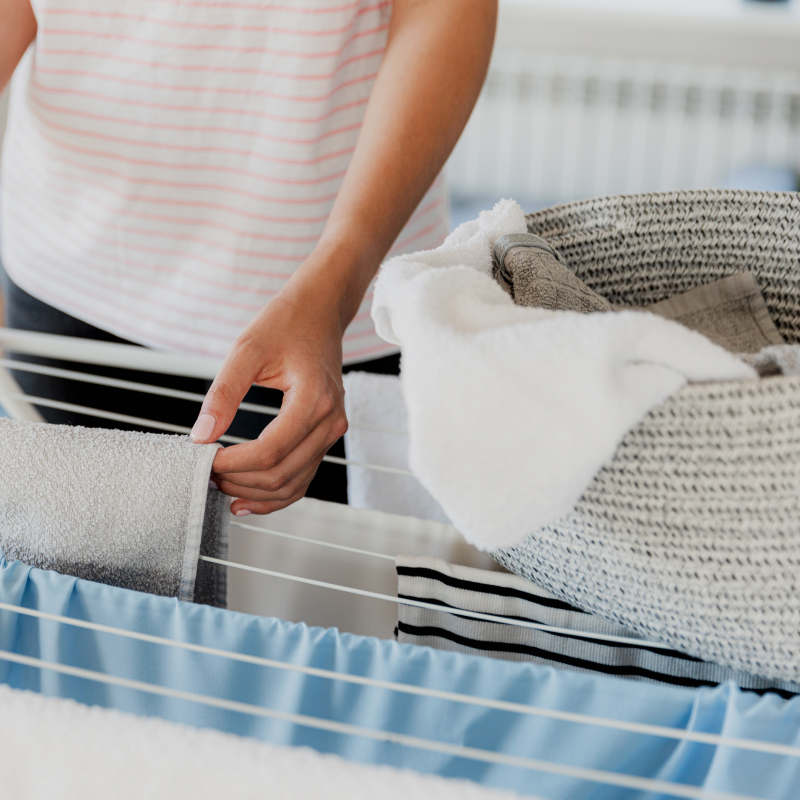
Tumble dryers are energy-hungry appliances. If you can, dry your clothes outdoors on a washing line - it’s free and environmentally friendly. In colder months and when the weather isn’t on side, consider investing in a heated airer. Although they cost a bit upfront, they’re significantly cheaper to run than a tumble dryer and just as effective for drying clothes indoors.

Washing

7. Save Water in the Garden

Installing a water butt is an easy and eco-friendly way to reduce your water bill. It connects to your home’s guttering to collect rainwater, which you can then use to water your garden. Not only does this save money, but it also reduces your carbon footprint, since treating and transporting water uses a surprising amount of energy.

8. Switch Off Appliances at the Plug

Aside from essential appliances like fridges and freezers that need to run continuously, most household devices can be safely turned off at the plug when not in use, without affecting their settings. This simple habit could help you save around £45 a year.

Shower

9. Shorten Showers

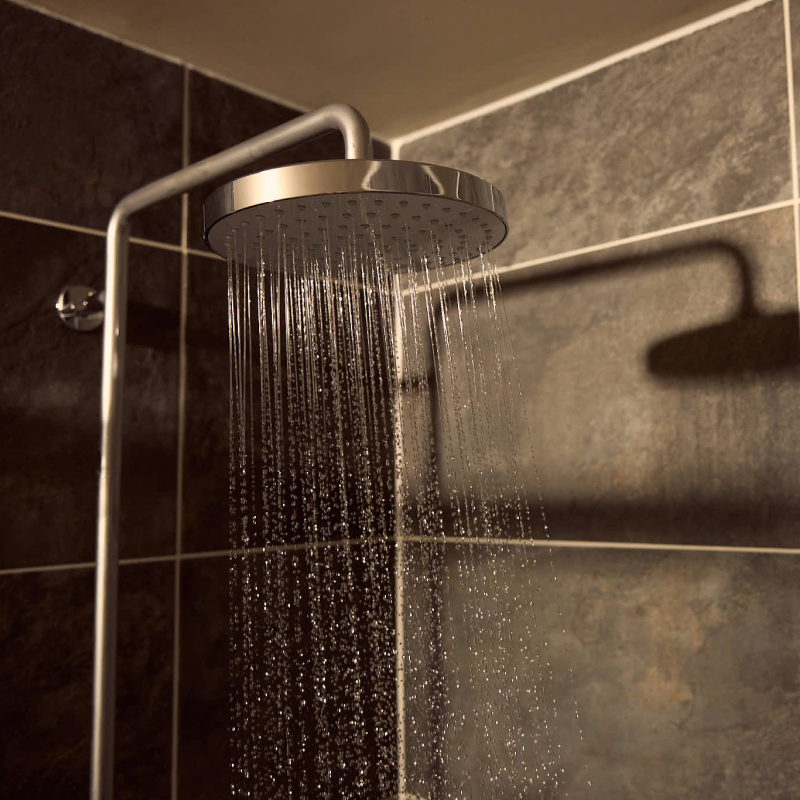
Reducing your shower time is another easy way to cut costs. Aiming for just four minutes per shower could save you up to £45 annually, making a noticeable difference over time.

10. Lower the Thermostat

Turning your thermostat down by just one degree can lead to significant savings (around £90 a year for an average household.) According to the World Health Organization, 18°C is a comfortable and healthy indoor temperature for most adults, though slightly warmer settings may be needed for the elderly or very young.

Final Thoughts

New build homes are already designed with energy efficiency in mind, helping you save money from the moment you move in and our beautiful collection of contemporary homes are no exception. But with just a few mindful changes and smart habits, you can stretch those savings even further, while doing your bit for the environment. Lower bills and a greener lifestyle? That’s a win-win.